4 Steps to Get Started with Sudowrite
“Write more books with AI (12+ in a year). Join the Story Hacker waitlist and get the actual prompts I use for FREE while you wait: My Favorite Tools for”
Getting Started With Pseudorite
(Without Overthinking It)
If you’re brand new to Sudowrite, this video is basically a quick “here’s what matters” walkthrough. It’s aimed mostly at fiction writers, and the main theme is that Pseudorite can be genuinely useful — but you should understand how the pricing and credit system works before you get too attached.
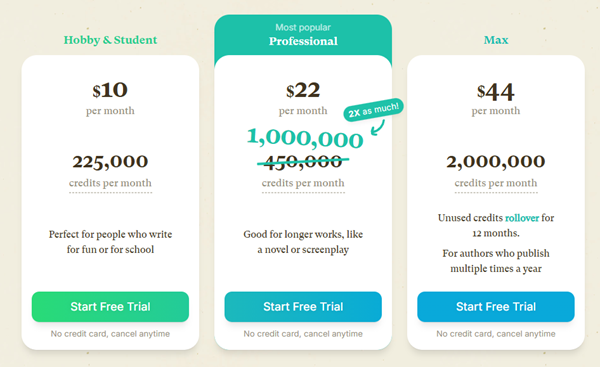
Pricing: The Tier You Pick Changes the Whole Experience
Pseudorite has three tiers, and the presenter is pretty direct about one thing: the cheapest plan isn’t a great deal.
Monthly vs. yearly
On monthly billing, the tiers are roughly:
- $19/month
- $29/month
- $59/month
If you pay yearly, the middle and top plans get discounted (the video calls out the value there), and the hobby/student tier becomes cheaper too — but still not particularly attractive compared to what you get in the higher plans.
The “middle tier” is the default for most people
The recommendation is basically:
- Start with the middle plan if you’re testing things
- Only jump to the max plan if you’re writing a lot with AI or want rollover
The Credit System: Why People Hate It (and Why It Exists)
A lot of tools charge pay-as-you-go for generated words. Pseudorite doesn’t really work that way. Instead, you get a set number of credits each month.
The two big points the video makes:
1) Unused credits can disappear
If you’re on the “professional” (middle) plan and don’t use your monthly credits, they’re gone. The presenter says this is their biggest complaint and something that holds Pseudorite back.
2) The max plan rolls credits over (kind of)
On the max plan, unused credits roll over — but only for up to 12 months. That’s helpful if your writing comes in bursts (like writing heavily one month, then barely touching it the next).
Also: if you run out, you can buy extra credits in packages.
Credits Aren’t Predictable Because Models Cost Different Amounts
One practical frustration: you can’t easily estimate how much writing your credits will actually buy you, because different models burn credits at different rates.
The video gives the general idea:
- Cheap models = fewer credits burned
- Expensive models = credits disappear fast
So the best way to understand the system is honestly just to try it for a month and see how your usage shakes out.
Your First Project: What to Click First
Once you’re inside, the basics are pretty straightforward:
- Create a new project (and optionally folders/series for organization)
- Or import an existing novel if you’re already partway through a draft
Importing a novel can save time
The import feature will split your draft into chapters and create a story bible. The video mentions this feature is free while in beta, which makes it a nice “why not” option if you already have material written.
There’s also an option during import to “train” Pseudorite to sound more like you (the video calls it “my voice”), but it’s still labeled beta and gets its own deeper discussion later.
Writing Inside Pseudorite: Two Main Workflows
1) Simple “Write” / Guided Write in the editor
You can place your cursor and hit Write to generate text. The video suggests Guided Write is often better because you can tell it what should happen next, which helps keep the story on track.
Other tools here include:
- Tone shift (adjust style after selecting text)
- Write settings (where you pick the model)
2) Draft mode (outline → scenes → generate)
There’s also a “Draft” view where you can:
- Add an outline
- Break it into scenes
- Choose a prose style (POV, tense, etc.)
- Generate bigger chunks at once
The presenter notes that generating huge sections can be less reliable for instruction-following, so they often prefer guided, chunk-by-chunk generation.
The Story Bible: Do This Before You Generate a Lot
The video strongly suggests spending time here upfront.
Key pieces:
- Brain dump: everything you know about the story (but capped at 2,000 words)
- Genre
- Style: featured styles, “match my style” (paste your own writing), or custom (limited)
- Synopsis: can be generated, but you should verify it (also capped)
Then the big three:
- Characters
- Worldbuilding
- Outline
You can write these manually or let the AI generate a starting point and then edit (the “it’s easier to react than invent from scratch” approach).
Plugins: Where Pseudorite Gets More Flexible
One legit highlight: Pseudorite has a plugin system where you can add community-made tools (custom prompts/buttons). You can browse plugins, add them to your menu, reorder them, and even view the underlying prompt to modify it for your own use.
That’s the main workaround for people who feel Pseudorite’s built-in tools aren’t customizable enough.
Quick note on Sudowrite
The tool being discussed is “Pseudorite” in the transcript, but it’s clearly referring to Sudowrite. If you want to check it out directly, here’s Sudowrite.
It costs nothing to try out Sudowrite, you don’t even need a credit card to signup!