Web Hosting Providers for 2026 in 5 Minutes (Tested)
If you’re launching a blog, business site, portfolio, or online store in 2026, web hosting is the first real decision you’ll make. It affects speed, uptime, security, and how easy your site is to manage long term.
I’ve looked at three major providers — Hostinger, IONOS, and DreamHost — and focused only on what actually matters: pricing, performance, usability, and reliability.
Here’s the breakdown.
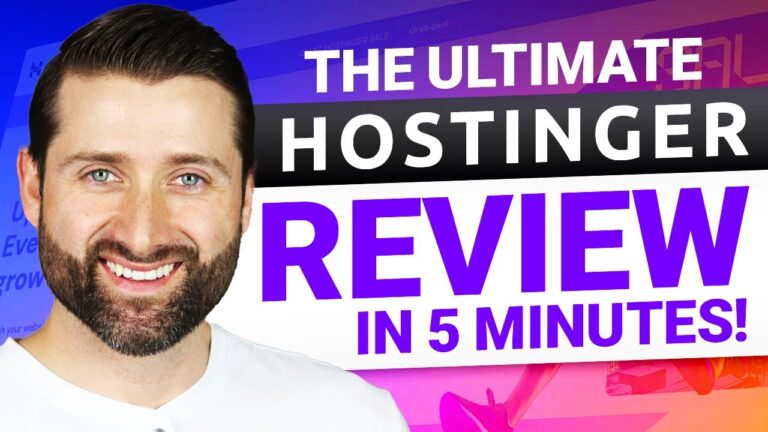
Hostinger: Strong All-Around Value
Hostinger has grown quickly over the last few years, largely because it balances affordability with modern infrastructure.
Pricing & Plans
Hostinger offers:
- Shared hosting
- WordPress hosting
- Cloud hosting
- VPS hosting
For most beginners and small businesses, the Premium Shared Hosting plan is the logical starting point.
You typically get:
- 100 GB SSD storage
- Hosting for up to 100 websites
- Unlimited bandwidth
- Free SSL
- One-click WordPress installation
It’s positioned at an entry-level price while still offering enough resources for real projects. If your site grows, upgrading is straightforward.
Control Panel Experience
Instead of traditional cPanel, Hostinger uses its own custom dashboard called hPanel.
It’s clean and modern. Navigation is simple, especially for beginners. Occasionally it can feel slightly slower than cPanel, but overall it’s easier to understand.
For new users, that simplicity matters.
Performance & Security
Hostinger runs on LiteSpeed servers, which consistently produce fast loading times. In performance testing, response times tend to stay competitive for shared hosting.
Security features include:
- Daily or weekly backups (depending on plan)
- DDoS protection
- Two-factor authentication
- Free SSL certificates
For most small to mid-sized websites, that’s more than sufficient.
Who Hostinger Is For
- First-time website owners
- Bloggers
- Small business websites
- Budget-conscious users who still want strong performance
If you want a balance of price, speed, and usability, Hostinger stands out.
IONOS: Low Entry Price, Solid Infrastructure
IONOS is known for its extremely low introductory pricing. If you’re counting every dollar, this is where attention usually shifts.
Pricing Structure
Entry-level plans can start very low. However, it’s important to understand that:
- Intro plans include fewer resources
- Renewal pricing increases
- Storage and site limits are tighter than Hostinger
That said, IONOS also offers:
- VPS hosting
- Dedicated servers
- Cloud hosting
So it scales well beyond basic shared hosting.
Features & Security
Even at the lower tiers, IONOS includes:
- Free domain for the first year
- Wildcard SSL certificates
- DDoS protection
Some plans also include AI-based website builders, which simplify launching a site quickly.
Performance
IONOS performs reliably, especially on higher-tier plans. It may not always feel as fast as Hostinger in shared environments, but it remains stable and dependable.
Support
24/7 support is available, but response times can vary. That’s one tradeoff with aggressive pricing.
Who IONOS Is For
- Users with extremely tight budgets
- Developers who want scalable infrastructure
- Projects that may eventually require VPS or dedicated hosting
If cost is the primary driver, IONOS is worth considering.
DreamHost: WordPress-Focused Hosting
DreamHost positions itself as a WordPress-friendly provider, and that focus shows.
Usability
The custom DreamHost panel is straightforward, but it can feel slightly cluttered. Compared to Hostinger’s dashboard, navigation sometimes takes a few extra clicks.
It’s not difficult — just less streamlined.
WordPress Optimization
DreamHost is fully optimized for WordPress. It offers:
- One-click installs
- Managed WordPress (DreamPress)
- Automatic updates
- Built-in caching
If WordPress is your platform of choice, DreamHost is structured around that ecosystem.
Performance
In testing, DreamHost delivered solid load times (around 1.5 seconds for a standard WordPress setup). Uptime performance is also strong, with a 100% uptime guarantee.
It positions itself between Hostinger and IONOS in performance consistency.
Security
Included features:
- Free Let’s Encrypt SSL
- Domain privacy protection
- Automatic backups
- Intrusion detection monitoring
One downside: DreamShield malware protection is an additional paid feature.
Who DreamHost Is For
- WordPress-focused websites
- Bloggers and content creators
- Users who want managed WordPress options
If WordPress is central to your plan, DreamHost deserves attention.
Quick Comparison
Here’s how they generally stack up:
Hostinger
- Strong balance of price and performance
- Modern dashboard
- Competitive speeds
- Good scalability
IONOS
- Lowest entry price
- Good infrastructure
- Fewer resources on basic plans
- Scales well into VPS/dedicated
DreamHost
- WordPress-oriented
- Solid uptime
- Managed WordPress options
- Slightly higher cost for advanced features
Final Thoughts for 2026
All three providers can support a serious website.
If I were launching a new general-purpose website today, Hostinger offers the most balanced package in terms of price, speed, usability, and included features.
IONOS makes sense when budget is the primary factor.
DreamHost is appealing for WordPress-heavy workflows, especially if you want managed hosting.
The right choice ultimately depends on:
- Your technical comfort level
- Expected traffic
- Whether you’re using WordPress
- Long-term scaling plans
Start with the provider that matches your current needs — not just the lowest price — and upgrade as your project grows.